


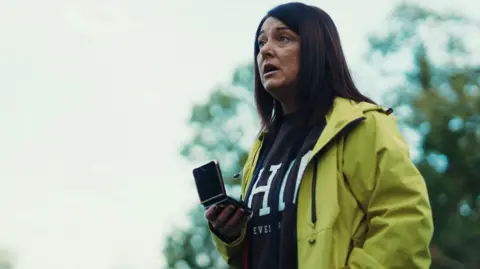
While conducting an conversation near a public park in the community, a came forward.
Might I inquire why you’re allowing these people to use this public space?” she asked while filming the exchange on her smartphone.
The person we were interviewing for our documentary was living in a nearby refugee accommodation, where heated protests had been taking place since the warmer months.
The woman mentioned that men from the hotel had been interacting with local children, and asked that we take our interview elsewhere.
Suddenly, a group of individuals who we were unaware of playing football in the vicinity emerged over the rise.
She informed me it was my doing they were there and if “anything happens here, it’s on you.”
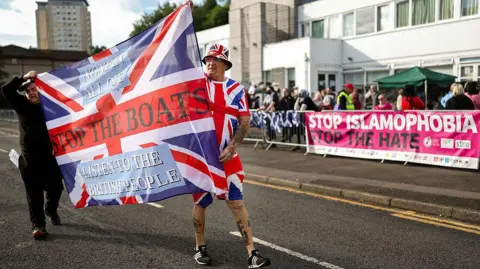
The resident shared her footage to the online platforms. It was viewed numerous of times after being circulated by political figures.
She was hailed as a defender for defending local residents.
I was overwhelmed with threats and threatened that I should avoid the town.
I do not think that my interview with this person, who subsequently withdrew consent its use, posed any risk.
But this incident, and its repercussions, gave me likely the sharpest perspective yet into the fear some within the town – and further afield – have about refugees in their local areas.
Resident Concerns and Demonstrations
There are about 6,300 people applying for refuge in Scotland, many of whom came via craft across the channel.
About a 25% live in hotels while the UK government evaluates whether to approve their applications.
We’ve spent the last few months filming at rallies against the hotels around the region.
In the town, there are more than eleven thousand individuals on the waiting list, waiting for new properties. There is resentment at a belief that these men – and it is solely men in the Cladhan Hotel – have skipped the line.
Refugees are not usually authorized to be employed while their claims are being evaluated and are given an stipend of a small amount a day to survive on. With free meals, lodging and no costs to pay, it frustrates of several.
“They’re getting television, they receive heating, they’re getting garments, they have communication tools, they’re getting free healthcare and if you believe that’s right in our country right now, I do not.”
Smartphones are not given by the state but are often given to hotel occupants by organizations who help them.
Security Worries and Local Conflict
The men in the Cladhan originate from a selection of regions, including the Middle East, Africa and East Africa, and all assert they need protection from danger.
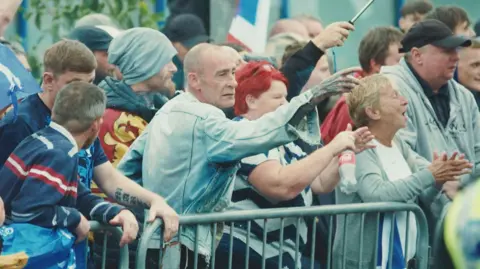
Sometimes we could see them peering out from behind drawn blinds, as shouts of “Return them! Return them!” ricocheted through the roads.
The Cladhan was previously a popular venue for events, special occasions and birthday parties.
Minimal consultation was given or dialogue conducted with the local community that up to ninety individuals were going to be accommodated here in recent years.
“There exists a feeling that an issue is being forced upon them from a great height by people who neither know nor care what the impact is going to be.”
All the financial outlays of accommodating individuals in accommodations, about 2.1 billion pounds a year across the country, are met by the UK government.
A community representative mentioned no asylum seeker was given preference over anyone else.
But it’s not just strain on services which has got residents out on the public spaces. There is anxiety, too.
Previous Cladhan resident Sadeq Nikzad, from another nation, was sentenced in the summer for the crime of a teenage local youth.
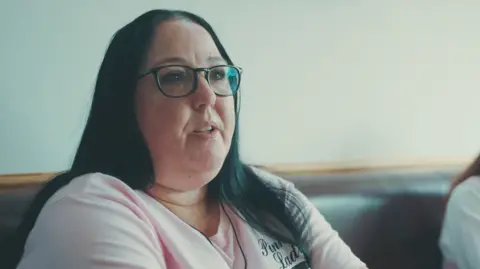
“It hurt deeply to know that that young woman’s life was damaged.”
“We shouldn’t be moving around in fear,” she continued.
In the previous year, the period of the individual’s crime, there were 82 reports of violent crimes in the area.
Authorities says it does not keep records specifying whether offenders are foreign nationals or not.
From news coverage, it appears one was perpetrated by an asylum seeker that year – by the perpetrator.
“Residents commit similar acts, but the reality is that the arrivals are still coming. They [the individuals] have a different belief.”


